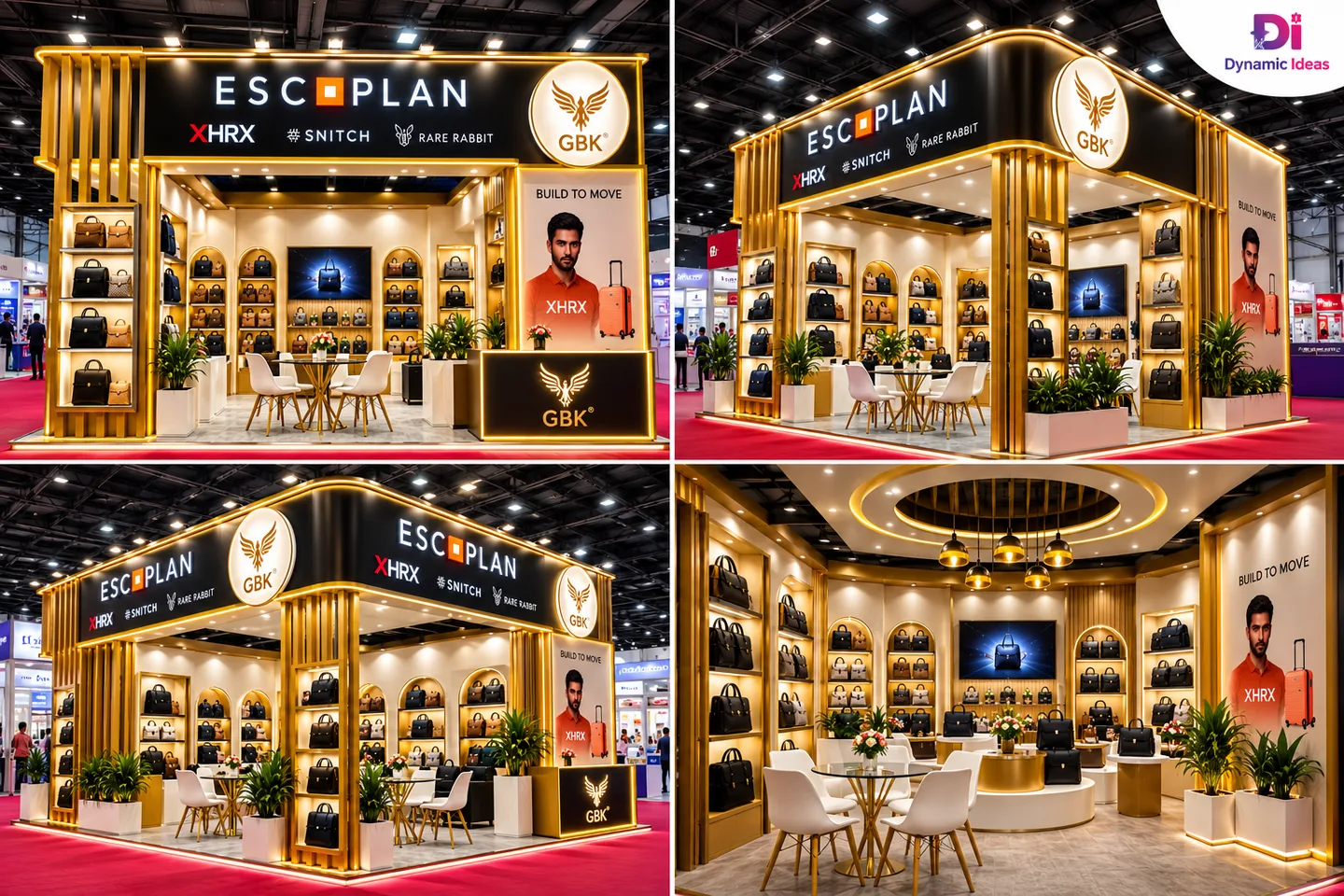
Discuss portability, finish, structural requirements and reuse when evaluating lighter booth components.
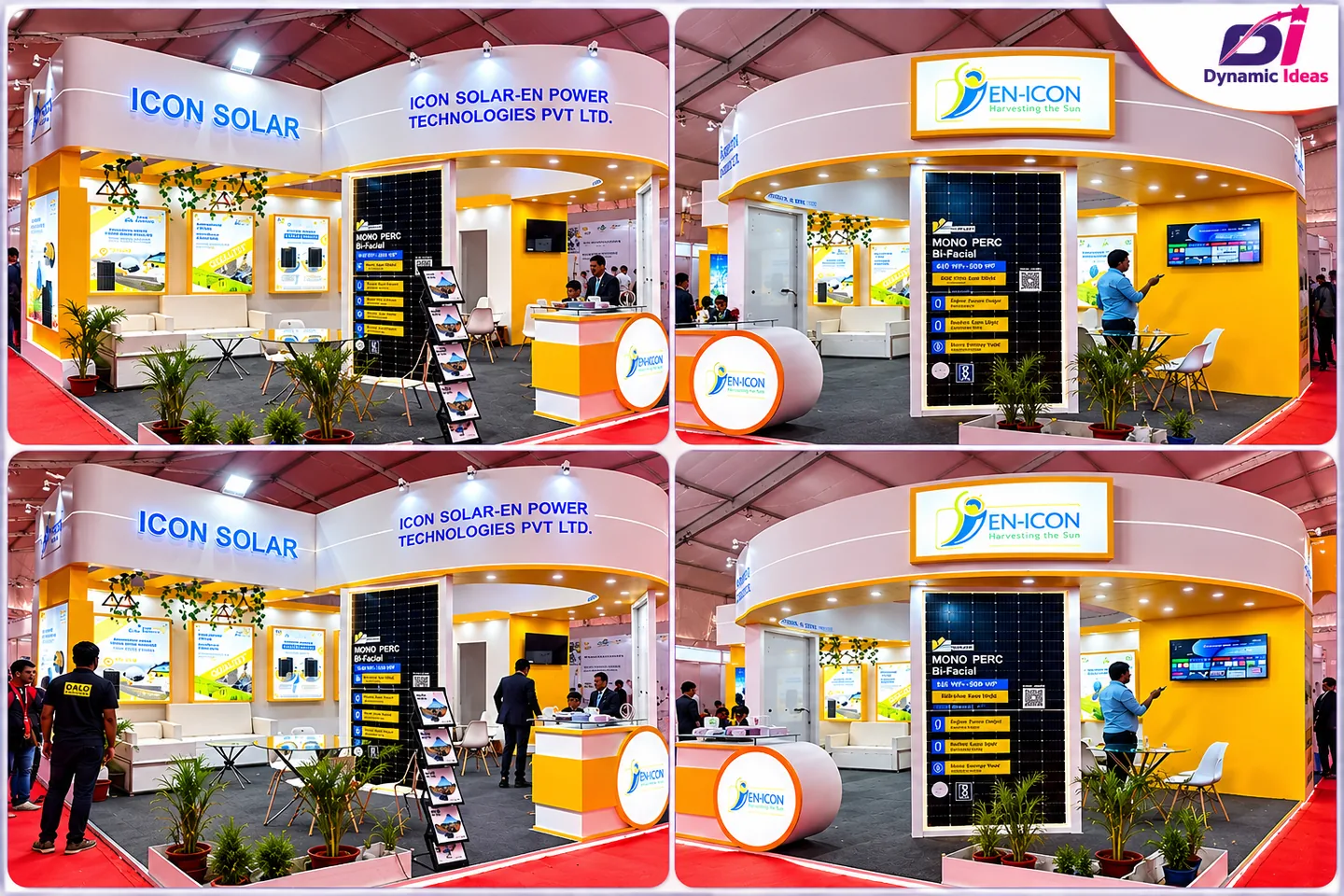
Lightweight Materials for Exhibition Stands works best when the design decisions are tied to a real event objective. The team needs to understand reducing transport and handling effort without compromising stability or finish quality. That context shapes what visitors notice first, how the stand supports a useful conversation and what must be practical for staff during a busy exhibition. A clear brief helps the finished environment look intentional while remaining buildable and easy to use.
Define the objective for this decision
When planning lightweight materials for exhibition stands, begin by identifying the result the stand must support. The brief should explain reducing transport and handling effort without compromising stability or finish quality. This gives designers and production staff a shared reason for each major choice instead of treating the stand as a collection of attractive features.
For lightweight materials for exhibition stands, record the visitor group, priority product or service and desired next action, with particular attention to reducing transport and handling effort without compromising stability or finish quality. Use these points to judge every proposed feature; simplify anything that does not help visitors understand the offer, interact with the product or move forward.
Make the visual hierarchy easy to read
The main design decisions should focus on material strength, panel span, edge protection, joining methods and the feel of the finished surface. Visitors often make an initial judgement while walking past, so the primary message needs to be understandable before they stop. Use scale, contrast, spacing and placement to distinguish the key message from supporting information.
Review the layout for lightweight materials for exhibition stands from more than one approach direction, especially around material strength, panel span, edge protection, joining methods and the feel of the finished surface. Check visibility when other visitors gather nearby. Keep the outer message short and move detailed information to the point where a visitor chooses to engage.
Plan the practical delivery details
A concept becomes dependable only when the delivery plan covers packing, repeated handling, available fabrication methods and the supplier's specifications. Check dimensions and interfaces against the venue manual, then record the decisions that affect fabrication, transport and installation. Where a requirement is not yet confirmed, mark it as an open item rather than treating an assumption as an approval.
For lightweight materials for exhibition stands, give the team one coordinated set of drawings, graphic dimensions, material notes and responsibilities that accounts for packing, repeated handling, available fabrication methods and the supplier's specifications. Name the people who approve artwork, verify technical details and authorise site changes so the supplier and event team work from the same version.
Control the risks before the build
A frequent risk in lightweight materials for exhibition stands is choosing the lightest option without checking stiffness, load, fire or wear requirements. Catching this early is easier than correcting it after materials have been produced or freight has left. Use a short review that includes the design lead, the person responsible for delivery and the client-side decision-maker.
Before production approval for lightweight materials for exhibition stands, check drawings, dimensions, finish samples, spelling, logo files, equipment needs and venue restrictions, including packing, repeated handling, available fabrication methods and the supplier's specifications. Record the approved version and agree any cost, access or schedule impact before a supplier acts on a change.
Measure what the stand needs to achieve
Choose measures that reflect the goal, such as transport volume, handling time, damage rate and performance over repeat uses. A crowded stand is not automatically a successful stand; the useful question is whether the right visitors understood the offer and took a meaningful next step. Decide in advance how the team will record the result so the review is based on observations rather than memory alone.
After the event, evaluate lightweight materials for exhibition stands against transport volume, handling time, damage rate and performance over repeat uses. Ask staff which questions repeated, where visitors hesitated and which displays helped conversations progress. Carry the observations into the next brief so the following design improves from evidence rather than relying on memory.
Turn the guidance into a repeatable process
For the next lightweight materials for exhibition stands project, keep a short decision record covering the objective, the approved layout, venue dependencies, production responsibilities and the way success will be reviewed. The record should be useful to someone who did not attend every meeting; clear notes are more valuable than a long document that leaves key decisions ambiguous.
The strongest approach to lightweight materials for exhibition stands balances brand experience with practical delivery. Confirm venue requirements, verify technical details with the responsible supplier and keep public claims accurate, especially where choosing the lightest option without checking stiffness, load, fire or wear requirements. Dynamic Ideas can discuss the appropriate design, fabrication or turnkey scope after reviewing the actual event brief.
If your upcoming project focuses on reducing transport and handling effort without compromising stability or finish quality, share the event city, date, venue rules and main priority with Dynamic Ideas. The team can then discuss an appropriate scope for exhibition stall design, exhibition stall fabrication or turnkey exhibition solutions according to the actual requirements.